
(New York, October 26, 2026) — President Luiz Inácio Lula da Silva should use his new mandate to deliver on his commitments to the environment, Indigenous peoples, and the defenders of Brazil’s forests, Climate Rights International said today, following his re-election in the October 25 runoff. Deforestation has fallen sharply under his government, but oil, gas, and infrastructure projects his administration has supported could undermine those gains.
“With Lula’s re-election, Brazil’s forests and the people who defend them have likely dodged a bullet,” said Brad Adams, executive director of Climate Rights International. “Flávio Bolsonaro could have brought back his father’s disastrous policies, which devastated forests and put communities and defenders in danger. But the forests and their defenders are still at risk, and Lula should now double down on efforts to protect them.”
Under former President Jair Bolsonaro, Amazon deforestation reached its highest level in 15 years. His son Flávio, who once called global warming a “farce,” has backed measures to weaken Indigenous land rights and environmental licensing, and in June said the “empire” of Ibama, the federal environmental enforcement agency, had to end. In October, Parakanã Indigenous communities in Pará received audio messages describing ranchers’ plans to invade their land if he won, according to Folha de S.Paulo.
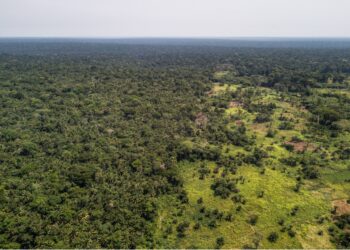
Lula’s government has proven that enforcement works. The annual rate of deforestation in the Amazon dropped from over 11,000 square kilometers in 2022 to its lowest level on record, according to a preliminary government estimate. Moreover, by November 2025, his administration had formally recognized 20 Indigenous territories covering about 2.5 million hectares, giving communities firmer legal ground to protect the forests on their lands.
Despite this progress, in 2025, the Amazon was still losing more than 1,500 hectares of forest every day, and 897 of 1,443 Indigenous lands and territorial claims still awaited administrative action. Lula’s government has also backed new oil exploration off the northern state of Amapá and work to rebuild the unpaved central stretch of the BR-319 highway, which could open a largely intact area of the Amazon to loggers, land grabbers, and ranchers.
“The Lula administration has shown that progress is possible, but much more remains to be done,” Adams said. “In his new term, Lula should speed up recognition of Indigenous lands, keep environmental and Indigenous agencies strong, press agribusiness to stop sourcing from illegally deforested land, better protect environmental defenders, and rein in oil and road projects that threaten that progress.”
For more Climate Rights International reporting on Brazil’s presidential election, please visit: https://cri.org/what-brazils-election-could-mean-amazon-climate-crisis/
Photo: President of the Republic Luiz Inácio Lula da Silva during the official launch of his campaign at Vila Euclides Stadium in São Bernardo do Campo, São Paulo. Photo: Ricardo Stuckert via Wikimedia Commons. Licensed under CC BY-SA 4.0.